Energy & Money Saving Tips
Efficiency Maine offers tips to become more energy efficient and financial incentives (such as rebates, instant discounts, and loans) that can make upgrading to a high-efficiency system more affordable.
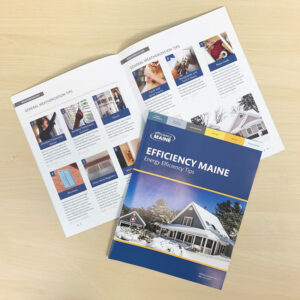
Our Energy Efficiency Tips booklet offers a wide selection of suggestions on how to improve the energy efficiency of your home. To download a copy click here. To request a printed copy, email info@efficiencymaine.com or call 866-376-2463.
Here are some useful tips on how to save energy at home this spring and summer.

Use Fans
At night use fans to draw in cooler night air. Close the windows during the day to keep cooler air inside.
1.

2.

Close Window Blinds or Drapes
Reduce heat gain by keeping windows and blinds closed during the day. Open windows in the evening and early in the morning to allow cooler air in.
Delay Heat-Producing Tasks
Wait to do dish washing, baking, or doing laundry, until the cooler evening hours.
3.

4.

Open Your Windows
During the cooler parts of the day open windows on opposite sides of the house for cross-ventilation. Close them during the hottest part of the day to keep cooler air inside.
Use An Exhaust Fan
Exhaust warm air from the kitchen while cooking. The energy used by the exhaust fan is lower than that required to cool the air with an air conditioner.
5.

6.

Room Air Conditioner
Room air conditioners work best when kept out of direct sunlight. Install them near shady trees or on the north side of the house whenever possible.
Seal Leaks
Seal gaps along the sides of your air conditioner to keep out warm, outdoor air.
7.

8.

Clean or Replace Heat Pump and Air Conditioner Filters
Clean or replace filters regularly according to manufacturer recommendations. Also make sure to keep the indoor and outdoor components unobstructed.
Plant Trees
Shade from branches reduces heat gain.
9.

10.

Stove Top
Use the smallest stove top burner necessary to do the job. Match your pan size to the burner size. For example, a 6″ pan on an 8″ burner can waste over 40% of the heat produced by the burner.
Oven
While cooking, avoid “peeking” by opening the oven door. Each “peek” can lower the oven temperature. Optimize energy use by cooking several dishes simultaneously in the oven or consider using the microwave.
11.

12.

Refrigerator
Keep refrigerator coils clean to maximize efficiency. Old and poorly-sealed door gaskets can also increase electricity use. If you think the door may not be sealing properly, leave a lit flashlight inside; if you see light around the gasket, replace the gasket.
Clothes Washers & Dryers
Use the lower temperature settings on the washing machine and load the washing machine to capacity. Washing one large load uses less energy than washing two smaller loads. When drying, dry full loads whenever possible, but be careful not to overfill the dryer. Or, you can also hang your clothes out to dry. Cleaning the dryer filter after each use can also reduce dryer energy use.
13.

14.

Dishwashers
Operate the dishwasher at full capacity whenever possible. If the manufacturer’s instructions permit, opening the door of the dishwasher at the end of the last rinse cycle can reduce energy consumption by skipping the drying cycle.
Water Heaters
Set your water heater thermostat at the lowest temperature that provides you with sufficiently hot water. If you use a lot of hot water, you may need to set the temperature higher to provide enough hot water for your needs. Efficiency Maine recommends setting heat pump water heaters to 120°.
15.

16.

Select Appliances With the ENERGY STAR® Label
When buying new appliances for your home, you could save 5-25% in appliance operating costs by purchasing appliances with the Energy Star label.
Turn Off Lights
When you’re not in the room, or it is light outside, turn the lights off.
17.

18.

Reduce Wattage
For fixtures with multiple light bulbs consider reducing the wattage on each of the lightbulbs used.
Consider Using Photocells For Outdoor Lighting
Photocells are sensors that detect light. Outdoor lights turn on only when it is dark out, saving money during the day.
19.

20.

Reduce Phantom Load
Many appliances continue to draw power when they are switched off. These “phantom” loads occur in most appliances that use electricity, such as DVDs, televisions, stereos, computers, and kitchen appliances. Plug devices into a power strip and switch it off when the devices are not in use.
Borrow an Electricity Monitor
Electricity monitors are available to borrow from your local library. Use an electricity monitor to determine which appliances in your home are contributing to phantom load.
21.

22.

Install Energy-Saving Shower Heads
Select a shower head model with a flow rate of less than 2.5 gallons per minute.
Repair All Leaky Faucets
One drop per second with a dripping faucet can waste up to 1,661 gallons of water over the course of a year.
23.

24.

Try a Smart Power Strip
Many appliances continue to draw power when they are switched off. These “phantom” loads occur in most appliances that use electricity. Smart strips can eliminate the phantom load draw of household electronics.
Use Light Emitting Diode (LED) Light Bulbs
These high-efficiency bulbs can provide the same amount and quality of light as incandescent bulbs. LEDs are more than 70% more efficient than incandescent light bulbs.
25.
